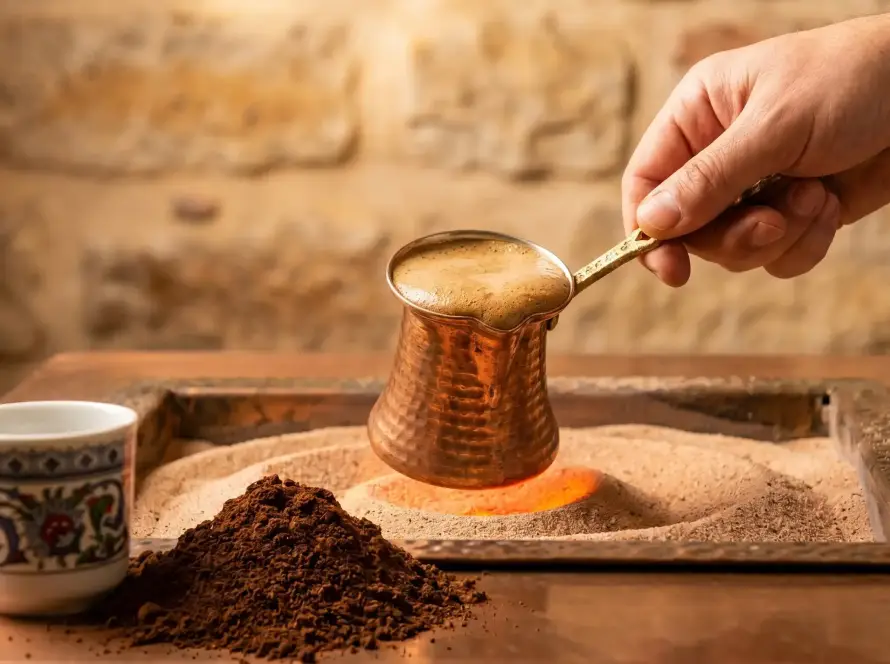
Türkiye'nin canlı sokaklarında yürümek derin bir duyusal deneyimdir. Kestanelerin kokusunu içinize çekecek, kadim minarelerden yankılanan o ritmik ezan sesini duyacak ve en önemlisi; kendinizi sürekli bir ruh dolu, kibar ve melodik ifadeler akışının içinde bulacaksınız. Türkçe sadece bir iletişim aracı değildir; her etkileşimi daha sıcak, daha saygılı ve derinlemesine insani kılmak için tasarlanmış, sosyal yaşamın "yağlayıcıları" gibidir. Bu güzel ülkede yerel biri gibi hareket edebilmek için en **Yaygın Türkçe İfadelerde** ustalaşmak şarttır; çünkü bu kelimeler, basit bir ziyareti derin bir kültürel bağa dönüştüren dilsel köprüler işlevi görür.
İletişimde İncelik Sanatı
Türk toplumu, kolektif bakım ve karşılıklı saygı temelleri üzerine inşa edilmiştir. Kısalığı ve doğrudanlığı önceleyen bazı dillerin aksine Türkçe, sıcaklığı ve takdiri ön planda tutar. Yaygın Türkçe İfadeleri öğrendiğinizde, sadece kelime ezberlemiş olmazsınız; aynı zamanda başkalarının varlığını ve emeğini nasıl takdir edeceğinizi öğrenmiş olursunuz. İster İstanbul'un lüks semtlerinde, ister Datça gibi küçük bir sahil kasabasında olun, bu ifadeleri kullanma biçiminiz göreceğiniz misafirperverliğin seviyesini belirleyecektir.
Selamlaşmanın Gücü: Karşılıklı İletişim
Pek çok kültürde selamlaşma, tek taraflı bir "Merhaba"dan ibarettir. Türkiye'de ise bu, sofistike bir alışveriştir. Bir butiğe, geleneksel bir lokantaya veya bir komşunuzun evine adım attığınız an, “Hoş geldiniz” sözünün sıcak melodisiyle karşılanırsınız.
Basit bir "teşekkür ederim" kibar olsa da, Türk kültürünü gerçekten anlayan birinin asıl alametifarikası, "Hoş bulduk" karşılığıdır. Kelime anlamı "burayı hoş bulduk" olan bu yanıt, sosyal etkileşim devresini tamamlar. Ev sahibine, sundukları karşılamayı kabul ettiğinizi ve onların yanında olmaktan mutluluk duyduğunuzu hissettirir. Bu küçük dilsel incelik, statünüzü anında basit bir "turist"ten bir "misafir"e yükseltir.
Kolay Gelsin'in Büyüsü: Emeği Takdir Etmek
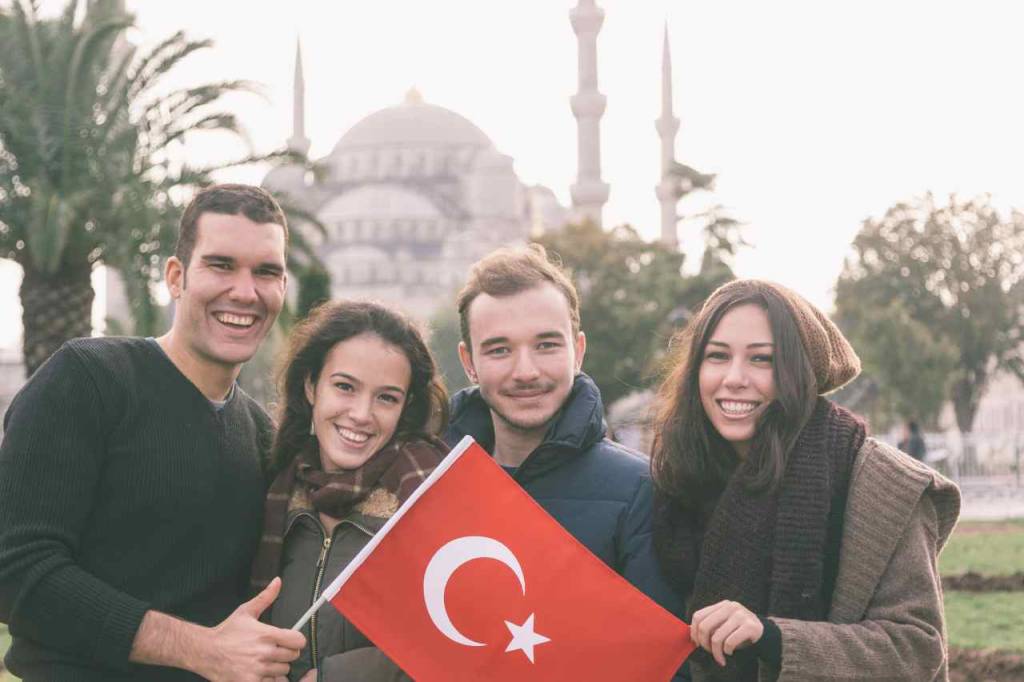
Türkçedeki belki de en sevilen ve en çok yönlü ifade “Kolay gelsin”dir. Bu ifade, "işin kolaylaşsın, zorlanma" gibi bir dilek içerir. Bu söz, en iyi buz kırıcı ve günlük nezaketin en yüce biçimidir.
Bu sözü; vitrinini düzenleyen dükkan sahibine, sabahın erken saatlerinde sokağı süpüren görevliye, trafikte direksiyon sallayan otobüs şoförüne, hatta bir projeye odaklanmış bir arkadaşınıza bile söyleyebilirsiniz. Çok çalışmaya ve toplumsal dayanışmaya önem veren bir kültürde, birine işinde kolaylık dilemek oldukça derin bir jesttir. Bu, onları fark ettiğinizi, yaptıkları işe saygı duyduğunuzu ve günlerinin hafif geçmesini dilediğinizi gösterir. Bu ifade, sosyal sınıfları ve profesyonel hiyerarşileri aştığı için en hayati Yaygın Türkçe İfadelerden biridir.
Mutfak Nezâketi: 'Afiyet Olsun'dan 'Elinize Sağlık'a
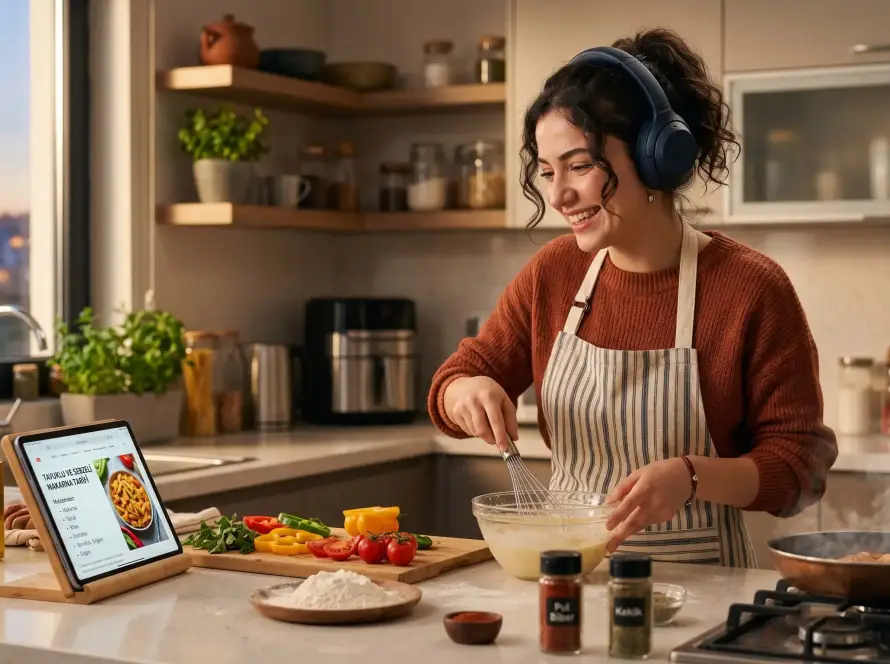
Türkiye'de yemek kutsal kabul edilir. Aile yaşamının, dostlukların ve iş ilişkilerinin merkezinde yer alır. Haliyle, yemek masasının etrafındaki dil; duygu ve geleneklerle doludur.
Afiyet Olsun: Bu ifade hem yemekten önce hem de yemek sırasında söylenir. İlginç bir şekilde, yemek yiyip bitiren birine yemek sonrasında da söylenebilir. Yemeğin o kişiye sağlık ve esenlik getirmesi dileğidir.
Elinize Sağlık: Bu, mutfaktaki tartışmasız en güzel ifadedir. Eğer bir misafirseniz, yemeği hazırlayan kişiye bunu söylersiniz. Bu ifade, pişirme sürecine harcanan fiziksel çabayı ve yemeğe katılan "emeği/gönlü" takdir ettiğinizi gösterir. "Elinize sağlık" diyerek, aşçının başkalarını doyurmaya devam edebilmesi için ona uzun ve sağlıklı bir ömür dilemiş olursunuz.
Kesene Bereket: Birinin evine misafir olduysanız veya biri size yemek ısmarladıysa, ödemeyi yapan kişiye bu ifadeyi söylersiniz. Bu, harcadıkları paranın yerine daha fazlasının gelmesi ve kaynaklarının çoğalması yönündeki iyi bir dilektir.
Manevi ve Sosyal Bir Yolculuk: 'İnşallah' ve 'Maşallah
En seküler ortamlarda bile “İnşallah” ve “Maşallah” ifadeleri son derece yaygındır. Bu sözcükler, dini kökenlerinin ötesine geçerek beklentileri ve duyguları yöneten kültürel temel taşları haline gelmişlerdir.
Maşallah (Allah nazardan saklasın / Ne kadar güzel): Bu ifade, içten bir hayranlığı dile getirmek ve en önemlisi "nazar"dan korumak için kullanılır. Eğer güzel bir çocuk, yeni bir ev veya başarılı bir işletme görürseniz, "Maşallah" demelisiniz. Bu, duyduğunuz hayranlığın saf ve hasetten uzak olduğunu gösterir. Türkiye'de bir şeyi "Maşallah" demeden övmek, bazen kazara onun başına kötü şans getirmek gibi algılanabilir.
Maşallah (God has willed it / Wonderful): This phrase is used to express genuine admiration and, crucially, to ward off the “Evil Eye” (Nazar). If you see a beautiful child, a new home, or a successful business, you must say “Maşallah.” It signals that your admiration is pure and free from envy. In Turkey, admiring something without saying “Maşallah” can sometimes be seen as accidentally inviting bad luck upon it.
Günlük Hayatta Başarı İçin Temel İfadeler
Duygusal derinliği olan ifadeler kadar, günlük konuşmanın "tuğlaları" da önemlidir. İşte her saat başı ihtiyaç duyacağınız yapısal Yaygın Türkçe İfadeler için hızlı bir başvuru kaynağı:
| İfade | Anlamı | Kullanımı |
| Merhaba | Hello | Her duruma uygun evrensel bir kapı aralayıcı. |
| Lütfen | Please | Nazik talepler için vazgeçilmezdir. |
| Teşekkür ederim | Thank you | Resmi ve saygılı. |
| Sağ ol | Thanks | Samimi ve arkadaş ortamında kullanılır (kelime anlamı: 'sağlıklı kal'). |
| Pardon | Excuse me | Birinin dikkatini çekmek veya kalabalık bir ortamda yol istemek için kullanılır. |
| Tamam | Okay | İngilizce'deki "Okay" ile tam olarak aynı şekilde kullanılır ancak Türkçede çok daha sık tercih edilir. |
| Hayırlı olsun | May it be beneficial | Bu ifade, "Umarım bu yeni başlangıç sana güzellikler ve bereket getirir" demenin en yaygın ve samimi yoludur. |
"Pardon" ve "Buyurun"un Nüansları
Bu kelimelerin bağlamını anlamak, kelimelerin kendisi kadar önemlidir. “Buyurun”, günde onlarca kez duyacağınız bir kelimedir. "Buyurun" (işte istediğiniz), "Lütfen içeri buyurun" veya "Size nasıl yardımcı olabilirim?" gibi anlamlara gelen çok amaçlı bir davettir. Bir garson masanıza yaklaştığında size "Buyurun" diyebilir. Birisi size oturacak bir yer teklif ederse yine "Buyurun" der. Bu kelime, açık bir el hareketiyle yapılan "hoş geldiniz" jestinin sözlü karşılığıdır.
Sonuç: Kalbe Giden Yol Olarak Dil
Bu Yaygın Türkçe İfadeleri öğrenmek, sadece dilbilimsel akademik bir alıştırma değildir; bu bir empati eylemidir. Türkler dilleriyle gurur duyarlar ve onu konuşmaya çaba gösterenlere karşı son derece cömerttirler.
When you use “Kolay gelsin” with a street vendor or “Elinize sağlık” at a local restaurant, the hospitality you receive in return will often double. You aren’t just asking for a service; you are participating in a thousand-year-old tradition of mutual respect. Start incorporating these phrases into your daily interactions today, and you will find that the doors of Turkey—and the hearts of its people—will open to you in ways you never expected.