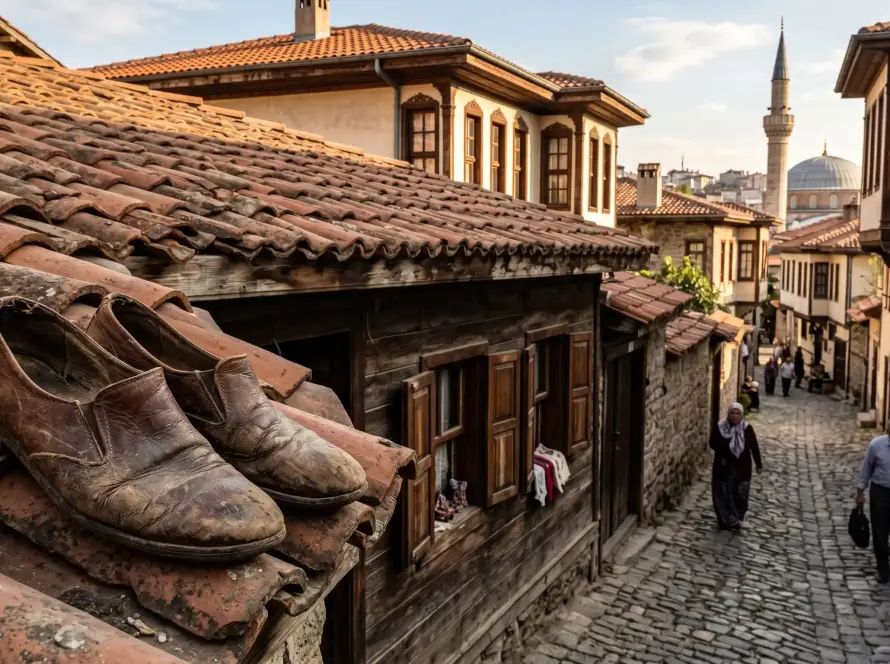
Turkish coffee is not merely a drink; it is a symbol of a culture, conversation, hospitality and social life that has endured for centuries. This tradition, stretching from the Ottoman era to the present day, has been one of the most important cultural elements bringing people together. The saying, “A cup of coffee is remembered for forty years”, is one of the most powerful expressions illustrating the place of Turkish coffee in social life. Below is a comprehensive programme note exploring the culture and history of Turkish coffee.
THE CULTURE AND HISTORY OF TURKISH COFFEE
A Cupful of Heritage from the Past to the Present
Although coffee is one of the most widely consumed beverages in the world today, Turkish coffee stands apart from other varieties due to its preparation, presentation and the traditions that have developed around it. Prepared by simmering finely ground coffee in a cezve over a low heat, Turkish coffee is a symbol of patience, conversation and cultural refinement.
The History of Turkish Coffee
The place generally regarded as the birthplace of coffee is Abyssinia, now known as Ethiopia. According to legend, the discovery of the coffee bean began when a shepherd tending his goats noticed that his animals became more lively after eating coffee berries. Coffee subsequently reached Yemen, where it was turned into a beverage, and over time spread as far as the Ottoman territories.
The arrival of Turkish coffee in the Ottoman Empire dates back to the 16th century. Historians note that coffee was brought to Istanbul by Özdemir Pasha, the Governor of Yemen. Coffee, which quickly gained great popularity in the Ottoman palace, eventually spread among the general public. Preparing coffee in the palace kitchen became a specialised craft in its own right, and officials known as ‘kahvecibaşı’ (chief coffee-makers) emerged.
The first coffeehouses to open in Istanbul brought about a significant transformation in social life. People gathered in these venues to converse about literature, politics, art and daily life. Coffeehouses were not merely places to drink coffee; they had also become centres of social interaction.
The coffee culture that spread from the Ottoman Empire to Europe reached the Western world primarily via Venice. The influence of the Ottoman coffee tradition was significant in the establishment of the first cafés in Europe. However, Turkish coffee continued to distinguish itself from other types of coffee through its unique brewing method.
How Turkish Coffee Is Prepared
The most important feature of Turkish coffee is that it is prepared using very finely ground coffee beans. In the traditional method of making Turkish coffee, water, coffee and, if desired, sugar are placed in a cezve and simmered over a low heat. The foam on the coffee is of great importance; a well-made Turkish coffee is expected to be richly foamed.
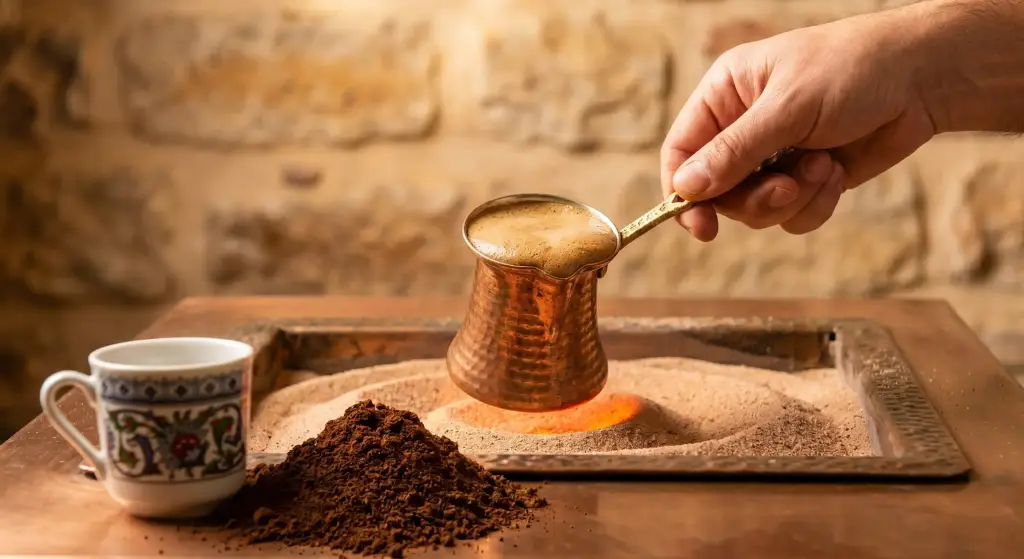
The coffee is served in small cups, and is usually accompanied by water and Turkish delight. The purpose of the water is to cleanse the palate and enhance the coffee’s aroma. Turkish delight, meanwhile, is a traditional accompaniment that balances the coffee’s strong flavour.
Turkish Coffee and Social Life
Turkish coffee culture has become an integral part of many aspects of daily life. It holds an important place in entertaining guests, festive visits, marriage proposal ceremonies and friendly chats.
In particular, the tradition of the bride-to-be making salty coffee for the groom during marriage proposals is one of the well-known, light-hearted rituals in Turkish culture. This tradition is seen as a symbolic test of the groom’s patience and understanding.
Turkish coffee is also a symbol of friendship and conversation. It has been a companion to long conversations, the mending of rifts, and the strengthening of friendships. People have gathered around coffee to discuss art, literature and everyday life.
Coffeehouse Culture
During the Ottoman period, coffeehouses were among the most vibrant social spaces in society. Poets, storytellers, artists and the general public would gather in these venues. In some coffeehouses, storytellers would entertain the crowd; in others, people would play chess, backgammon and various other games.
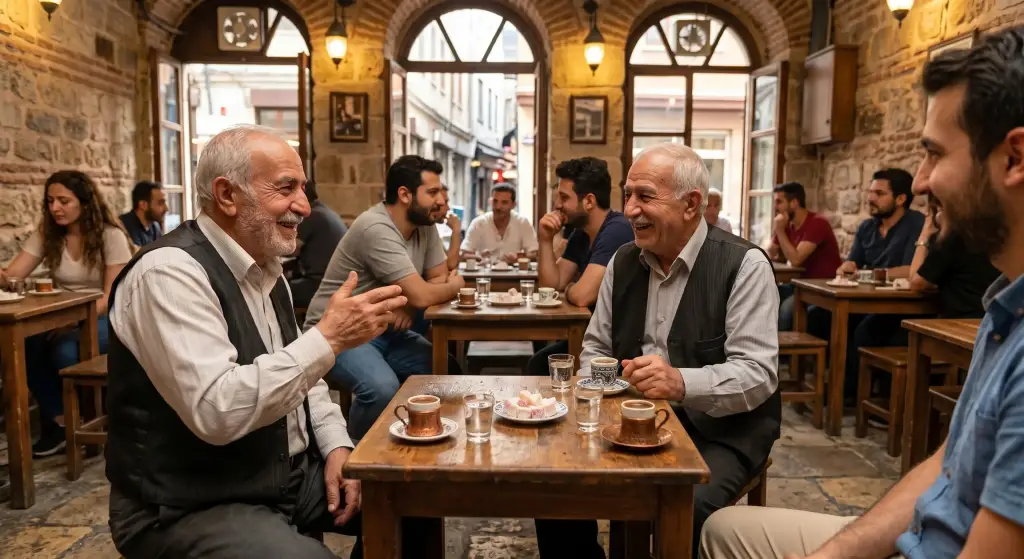
Over time, coffeehouses evolved not only into places of entertainment but also into centres for the exchange of information. As venues where newspapers were read and political issues debated, they became significant spaces influencing social life.
Turkish Coffee and the Tradition of Fortune-Telling
One of the cultural aspects of Turkish coffee is coffee fortune-telling. After the coffee is drunk, the cup is turned upside down and the shapes formed by the grounds are interpreted. This tradition has particularly evolved into a social activity among women.
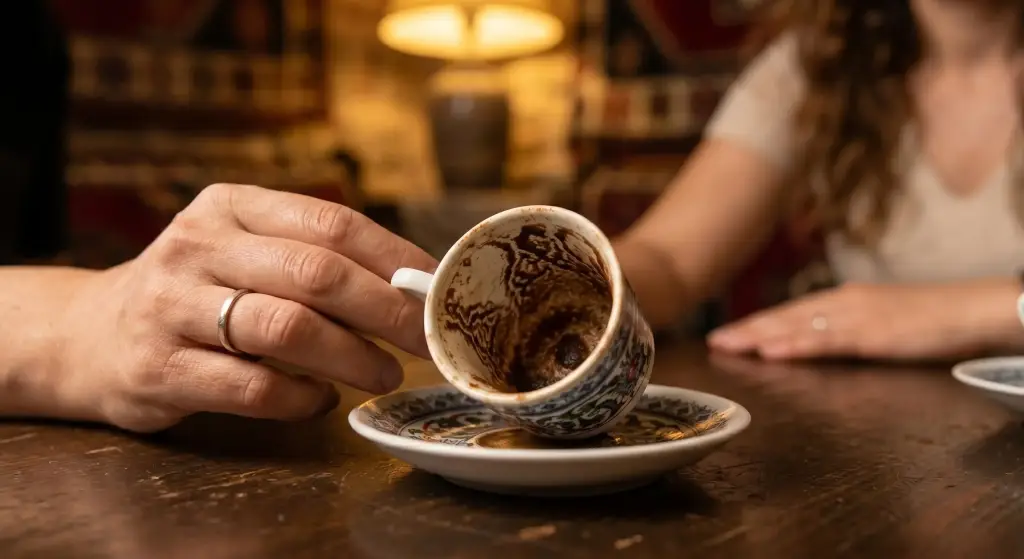
Fortune-telling is viewed as a cultural custom that deepens conversation, offering elements of entertainment and curiosity, rather than a means of seeing the future with certainty. The saying “Do not believe in fortune-telling, but do not do without it either” sums up this understanding.
UNESCO Intangible Cultural Heritage
Turkish coffee culture was inscribed on UNESCO’s Representative List of the Intangible Cultural Heritage of Humanity in 2013. This development demonstrated that Turkish coffee holds significant value not only for Turkey but also for world culture.
According to UNESCO, Turkish coffee is an important part of cultural identity through its preparation method, presentation, social sharing and traditions.
Turkish Coffee Today
Today, Turkish coffee continues to be enjoyed in both traditional coffeehouses and modern cafés. Although new presentation styles and different flavours are being tried, traditional Turkish coffee still holds a special place.
Although the third-wave coffee movement has gained popularity worldwide in recent years, Turkish coffee stands out for its authentic character. Many foreign tourists view trying Turkish coffee as a cultural experience when they visit Turkey.
Turkish coffee bridges the past and the present. A cup of coffee can sometimes spark a friendship, sometimes revive a memory, and sometimes serve as an excuse for a long chat. This tradition, unchanged for centuries, continues to reflect the warmth, generosity and hospitality of Turkish society.
Turkish coffee is not merely a drink; it is a fusion of history, tradition, conversation and culture. This journey, stretching from the Ottoman palaces to today’s cafés, has made Turkish coffee one of the world’s most distinctive cultural heritages.
With its foam, its aroma, the Turkish delight served alongside it, and the friendships formed around it, Turkish coffee is a unique cultural treasure passed down from the past to the present. To drink a cup of Turkish coffee is, in fact, to be part of a centuries-old tradition.